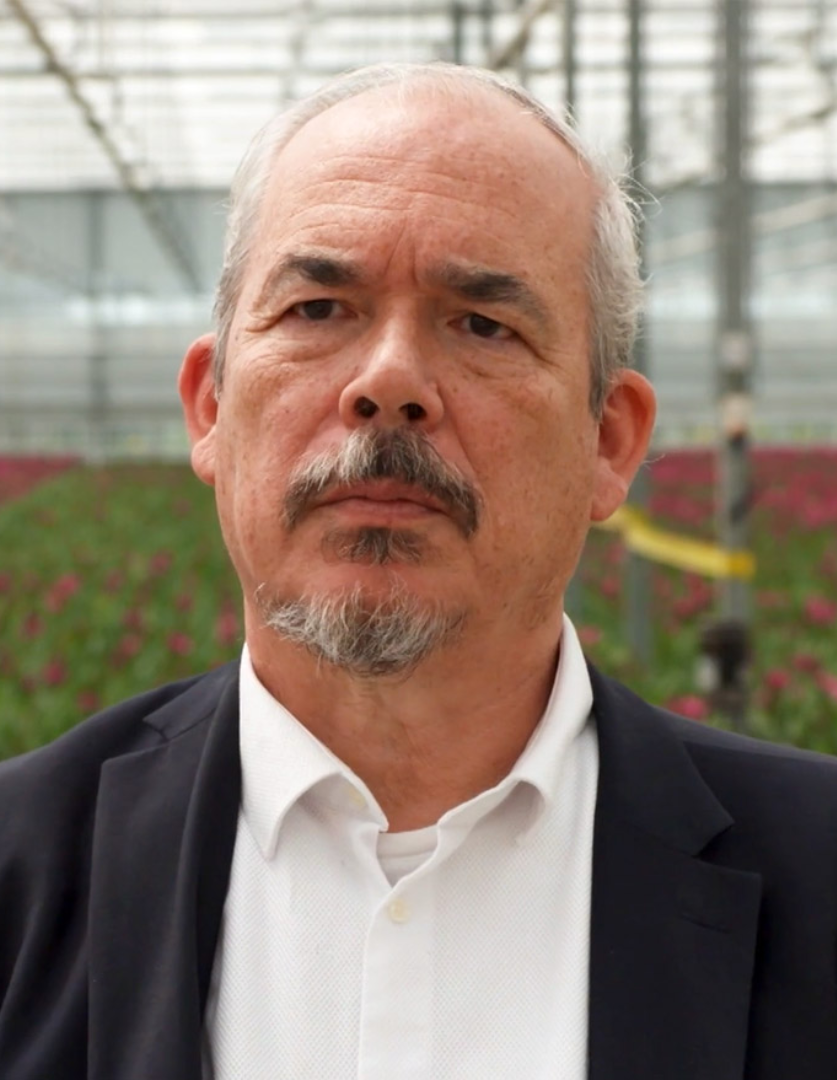



What do osteoporosis and the nitrogen issue have in common? What bridges the gap between consumption and absorption? The answer: silicic acid. Rexil-Agro has refined its application over the years. According to the company, this holds a key to solving major problems currently facing intensive agriculture.
Silicon is an important but little-known element in our diet. In the late 1990s, Dr. H.M. Laane, a medical doctor, came across international epidemiological research showing that diet and the type of food play a role in the development of osteoporosis (bone loss). Osteoporosis is caused by a lack of calcium. In Europe, the remedy advised is to consume more calcium-rich dairy and prescribed calcium tablets. This sounds logical, but does it help sufficiently?
The problem is not so much the amount of calcium available, but the absorption of calcium by the intestines. “This is where silicic acid, or silicon dioxide – formula: Si(OH)4 – comes into play,” says Rexil-Agro CEO Ir Cees van Stee. “A bit of silicic acid is produced in our stomach from the silicon in our diet, and sufficient presence of silicic acid improves calcium absorption and enhances the immune system’s function.”
Proper Formulation
And the link to nitrogen? Van Stee explains, “Just as with humans, silicic acid is important for plants for optimal nutrient absorption. But because the concentration of silicic acid in the soil is very low, the absorption of nutrients, including nitrogen, is less effective. By providing extra silicic acid to the plant, this can be resolved. Moreover, you can also achieve a reduction in fertilizers and chemicals, which is beneficial for soil life. By improving soil health, crops can better absorb nutrients, reducing the need for chemical additives as plants become more efficient, resilient, and healthier.”
Fertilizers, pesticides, and fungicides negatively affect soil life, reducing natural silicic acid formation. Van Stee notes, “Due to the lack of silicic acid in the soil, plant resilience decreases, necessitating more fungicides and pesticides to control plant diseases and pests.”

Stabilization
Dr. H.M. Laane, who serves as the Technical Director at Rexil-Agro, researched the amount and form of silicic acid to be administered to plants and when. Experiments were conducted with potatoes, onions, apples, and grains on trial farms. The results were encouraging. Silicic acid is an unstable substance, but this problem was solved with new technology to stabilize it. The first patent for stabilized silicic acid production was applied for in 2003.
“It turned out that a few hundred grams of silicic acid per hectare during the growing season resulted in a statistically significant improvement,” concludes Van Stee. “Therefore, this stabilized silicic acid can now be applied in agriculture and horticulture, with all the associated benefits.”
In subsequent years, Rexil-Agro developed and added several other biostimulants – products that have a positive effect on plant growth and resistance – to its portfolio. Worldwide experience has been gained in agriculture and horticulture, and extensive research has been conducted on numerous crops in various climate zones.
More with Less
The developments around biostimulants have now attracted significant attention.“Not surprising,” says Van Stee, “since the vitality of the soil in modern agriculture has come under severe pressure. Under the motto ‘a plant needs building materials,’ large amounts of nitrogen, phosphorus, and potassium (NPKs) are spread over the land every year. Only a small part of this is absorbed by plants, with the majority washing out into surface water. Additionally, every farmer knows that plant growth temporarily halts after NPK application. The plant experiences a ‘chemical shock.’”
Rexil-Agro’s message is that with the proper application of suitable biostimulants and fertilizers, farmers can achieve better growth and higher yields with less (artificial) fertilizer and significantly fewer pesticides.
Solving the Nitrogen Problem
Van Stee understands farmers’ caution in embracing this message. “It’s new and disruptive. One of our clients, a farmer with 650 hectares of arable land, gradually expanded his tests from small plots to his entire area over four years as the results were favorable year after year. Now, he has up to 30% more potatoes on some plots and sees up to 1% higher sugar content in his sugar beets, while significantly saving on pesticides and fungicides.”
Based on these results, Van Stee does not shy away from bold statements. “By combining several techniques, we can contribute to reducing the nitrogen problem in agriculture and help improve surface water quality in the Netherlands. Nitrogen emissions can be substantially reduced, the use of fungicides and pesticides can be halved, while yields significantly increase. This is truly agriculture 2.0.”